
Biorobotics
Biorobotics explores how intelligent robotic systems can augment and restore human movement and health. This field is increasingly important as advances in sensing, learning, and human–robot interaction enable technologies that support overall well being, independence, and quality of life across diverse populations.
At Georgia Tech, we lead this work by designing and studying physiology informed wearable and medical robots grounded in biomechanical science, real world applied testing, and meaningful input from people with lived experience.
Biorobotics is a multidisciplinary field that develops intelligent robotic systems to support, restore, and/or enhance human movement and health. This area of research blends engineering, physiology, biomechanics, and artificial intelligence to create wearable devices including prostheses, exoskeletons and medical robotics that can better interact with and respond to the human body.
New sensing technologies and artificial intelligence algorithms enable researchers to build devices that adapt to a person’s needs in real time, improving comfort and function, and thereby, overall quality of life. At Georgia Tech, this work is grounded not only in rigorous engineering and biomechanical science but also in extensive real world testing and active collaboration with people who have lived experience using mobility or medical technologies. This multidimensional design and evaluation process ensures the research addresses meaningful challenges, works effectively in everyday environments, and reflects the priorities of the people who will benefit from them.
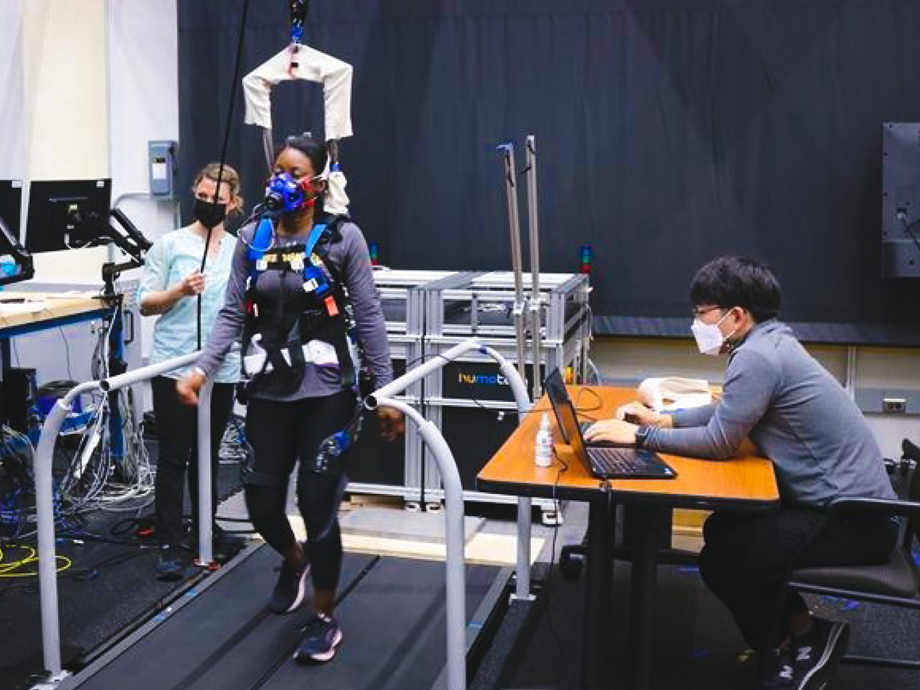
Biorobotics at Georgia Tech aims to translate cutting edge scientific insights into practical, usable technologies that enhance mobility, independence, and well being across diverse populations.IRIM advances research in Biorobotics by integrating expertise in biomechanics, physiology, and robotics engineering to develop advanced wearable and medical systems that respond intelligently to the human body. In the Human Augmentation Core, our teams create and test new sensing tools, control strategies, and device designs to ensure they work reliably and comfortably for a wide range of users. Input from people with relevant lived experience is incorporated throughout this process, helping guide innovation and ensuring that our technologies translate effectively from the lab to everyday life.
Biorobotics Foundations
Prosthetics & Augmentative
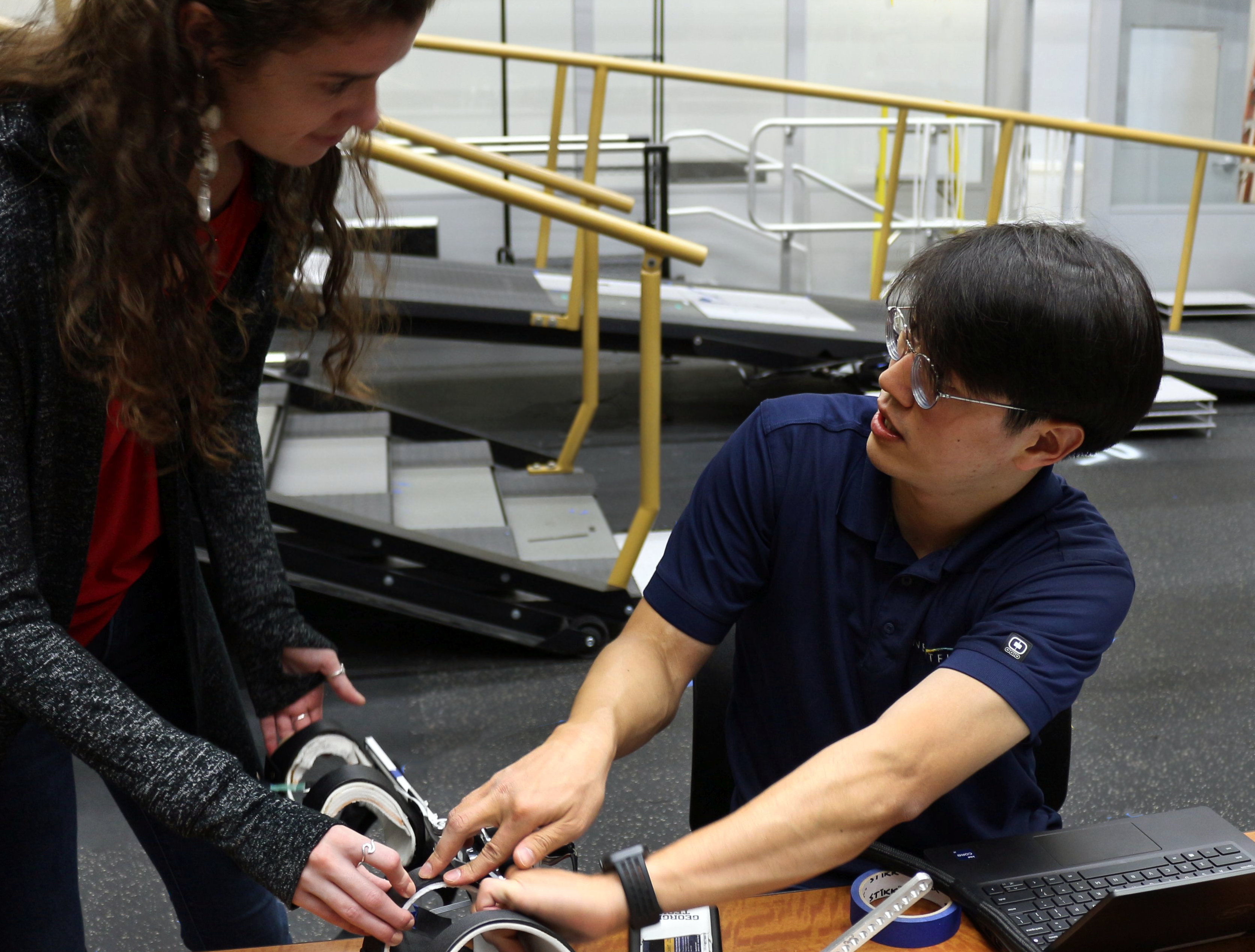
This area of research blends engineering, physiology, biomechanics, and artificial intelligence to create wearable devices including prostheses, exoskeletons and assistive devices that can better interact with and respond to the human body. New sensing technologies and artificial intelligence algorithms enable researchers to build devices that adapt to a person’s needs in real time, improving comfort and function, and thereby, overall quality of life.
Medical & Interventional Robotics
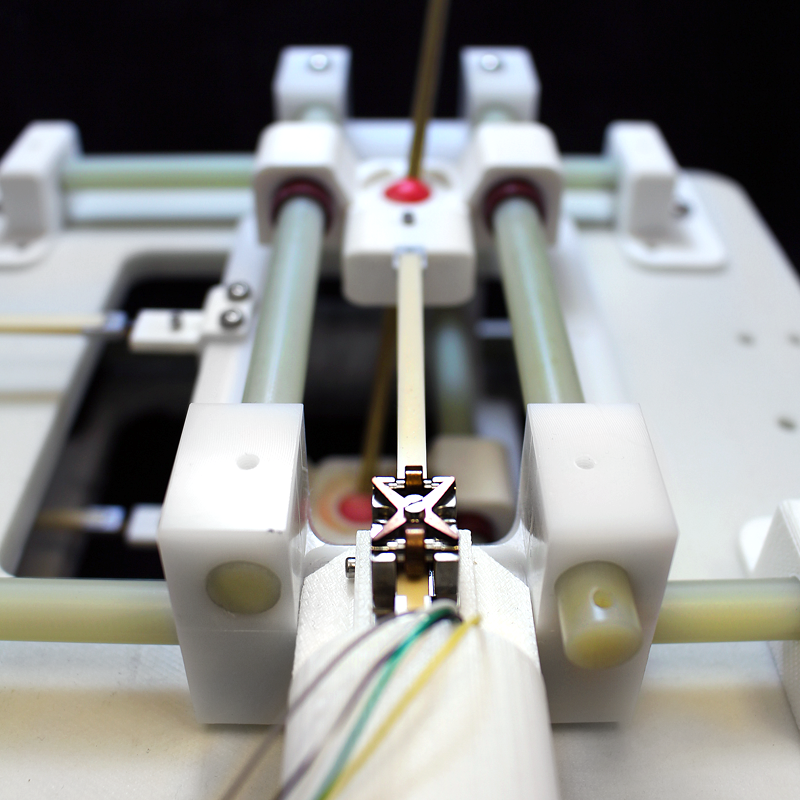
Medical and interventional robotics combines medical science, robotics, and engineering and covers the evolution of surgical methods using robotics to develop minimally invasive tests and procedures with higher accuracy. Also known as robot-assisted surgery, medical robotics involves the use of specialized platforms during procedures to provide a better approach to surgical sites and provide in-situ three-dimensional images that improve depth perception. Medical and interventional robotics also enhances viable ranges of motion, allowing the surgeon to conduct more complicated surgical operations with reduced postoperative complications.
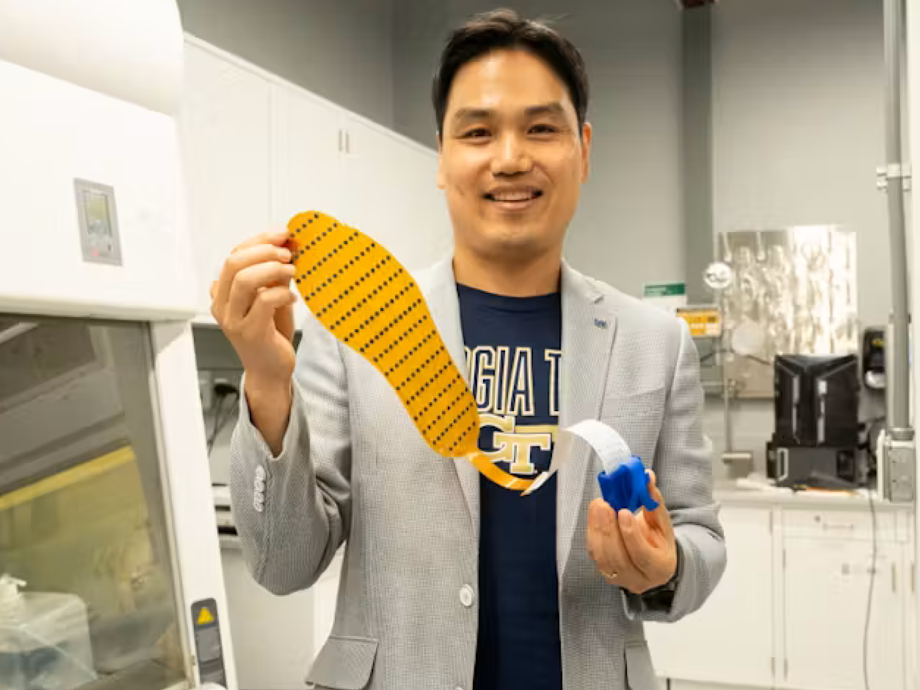
Wearable Sensing
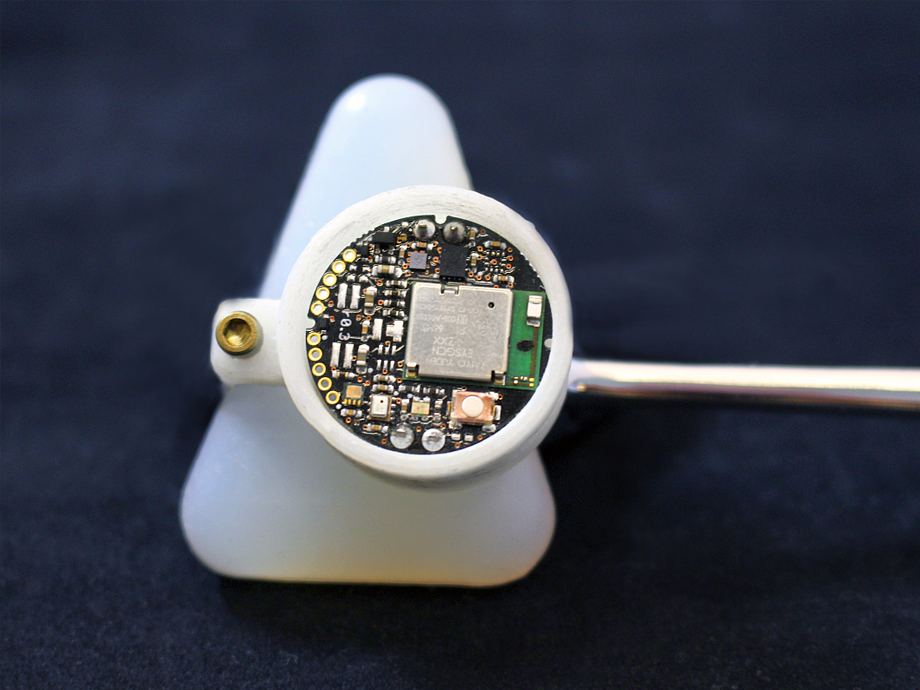
Wearable soft sensing platforms that conform to skin placement are creating personalized health monitoring and implantable devices at an amazing pace. Wearable sensors refer to a sensing device that can effectively interface with the human body to monitor various physiological changes and provide critical information that are necessary for the development of remote point-of-care diagnostics and provide robust data for health routine changes and recommendations. Wearable sensors are also employed by rehabilitative practitioners and in studies of aging and mobility to record motion-related gait information such as speed, acceleration and position.
Learn More
Contact for Biorobotics | Kinsey Herrin; Principal Research Scientist; School of Mechanical Engineering | Phone - 404.894.6269 | Office - 555 14th St Building